
PA School Admissions Guide
Direct Patient Care Experience for PA School: What Counts and How Many Hours You Need
By Dr. Mario Tomei, MD, MBA, MHA, CHSE · Physician & Former Admissions Committee Member
Quick Answer: What Is Direct Patient Care Experience for PA School?
Direct patient care experience (PCE) is hands-on, face-to-face clinical work where you are directly responsible for aspects of patient care under supervision. PCE involves direct patient interaction: taking vitals, performing procedures, assisting with activities of daily living (ADLs), drawing blood, or triaging. Hour requirements vary by program, and each PA program decides what roles qualify.
When I review applications as a former admissions committee member, I look for PCE where the applicant affects patient outcomes. Prior hands-on experience is crucial for success in PA school because it builds clinical judgment, medical terminology, and an understanding of daily realities in healthcare settings. Observing or filling water pitchers does not count. PCE is essential for developing clinical skills that carry into your PA training.
This guide covers PCE vs healthcare experience (HCE), which jobs count, how many direct patient care hours to aim for as a competitive applicant, and how to verify policies for your target programs on their websites and through your CASPA application.
Applying to PA school?
Get a free 20-minute audit with Dr. Mario Tomei, a physician and former admissions committee member. He'll identify the 3 biggest gaps in your CASPA plan and tell you what to fix first.
Book my free auditPatient Care Experience vs Healthcare Experience: CASPA Definitions
CASPA provides standardized categories for logging experience on the PA school application, but individual PA programs set their own admission criteria. According to the CASPA Applicant Help Center, patient care experience (PCE) means you hold direct responsibility for patient care tasks, while healthcare experience (HCE) covers work in a health setting without primary care responsibility. Shadowing, volunteering, and other work experience are separate categories. PA schools prioritize PCE over HCE in applications, though HCE provides insight into healthcare operations and protocols.
| Criterion | PCE (Direct Patient Care) | HCE (Healthcare Experience) |
|---|---|---|
| Responsibility | Direct responsibility for patient assessment or care tasks | Support or administrative role; little patient care decision-making |
| Typical duties | Taking vitals, drawing blood, ADLs, administering treatments | Filing charts, cleaning rooms, front-desk scheduling |
| Common roles | EMT, CNA, paramedic, patient care tech, inpatient MA | Unit clerk, receptionist, transporter |
| Admissions view | Required or preferred by most PA programs | Recognized but less valued if it dominates the profile |
Many PA programs state on their websites that they prefer or require direct patient care experience over general healthcare experience hours. While some schools use the terms interchangeably in conversation, CASPA and most faculty distinguish them, which matters when you log hours.
What Counts as Direct Patient Care Experience? Common Roles and Gray Areas
Each PA program decides what counts. CASPA's categorization is only a starting point. The same job title can be PCE or HCE depending on your actual duties.
| Role | Typical Clinical Duties | CASPA Category | PA Program View |
|---|---|---|---|
| Emergency medical technician | Patient assessment, splinting, airway management | PCE | Commonly accepted; highly regarded |
| Certified nursing assistant | ADLs, vitals, bathing, bedside monitoring | PCE | Commonly accepted; valued across programs |
| Medical assistant (clinical) | Rooming, vitals, injections, wound care | PCE | Accepted when clinical duties dominate |
| ER tech | EKGs, splinting, assisting resuscitations | PCE | Commonly accepted |
| Paramedic | Advanced procedures, medication administration | PCE | Commonly accepted |
| Phlebotomist | Venipuncture, patient communication | PCE | Accepted by many programs |
| Physical therapy aide | Assisting with exercises, patient positioning | PCE (often) | Varies; check specific program |
| Home health aide | ADLs, vitals, mobility assistance | PCE | Accepted when hands-on care documented |
| Medical scribe | Charting, transcription | HCE (usually) | Often not counted as PCE; FSU excludes it |
| Clinical research assistant | Data entry, lab work (no patient contact) | HCE or Research | PCE only if duties include hands-on patient interaction |
A medical assistant who splits time between rooming patients and front-desk scheduling should divide hours on CASPA accordingly. If 60% of your time involves direct patient contact and 40% is administrative, log them separately.
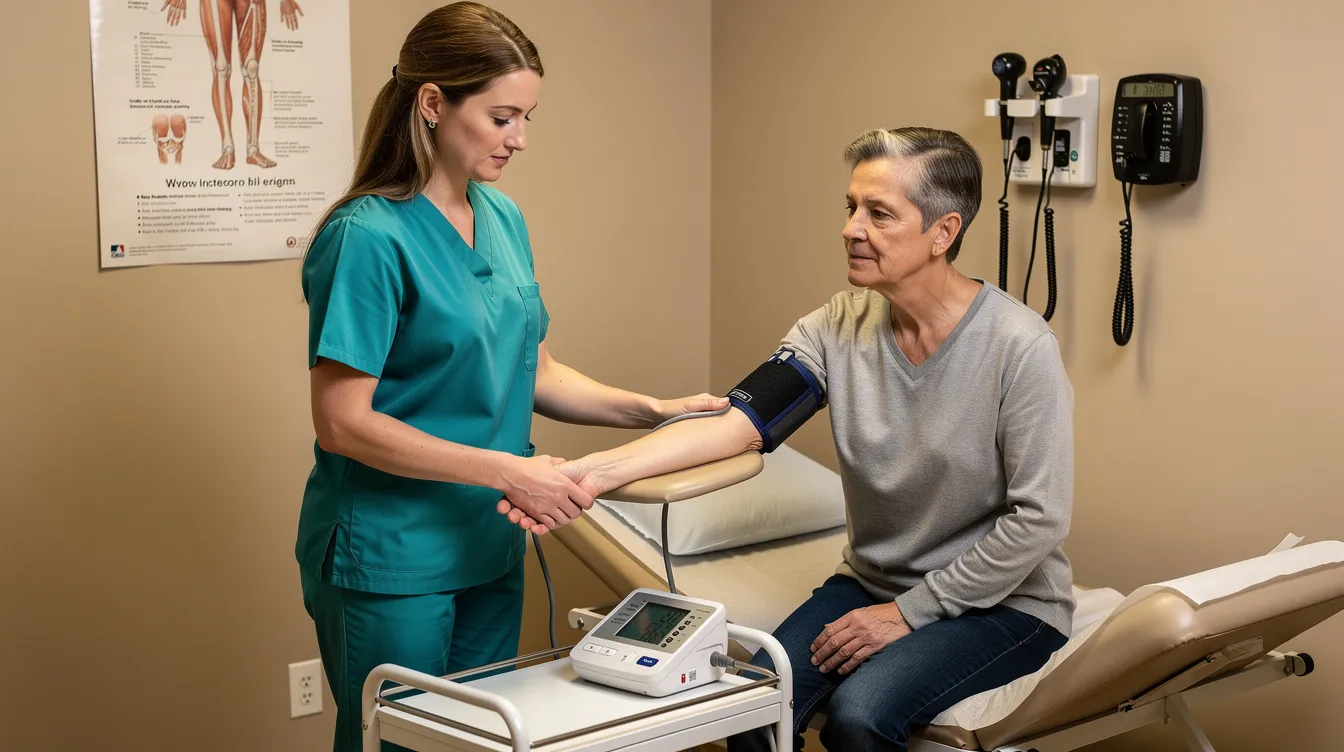
Examples of Strong Direct Patient Care Experience Roles
In strong applications, I typically see applicants with one to two years in high-responsibility PCE roles that demonstrate progression. High-level patient care positions are universally respected by PA admissions committees. PA programs typically prefer paid direct patient care experiences, though volunteer work in hospitals can also count as patient care experience when duties are clinical.
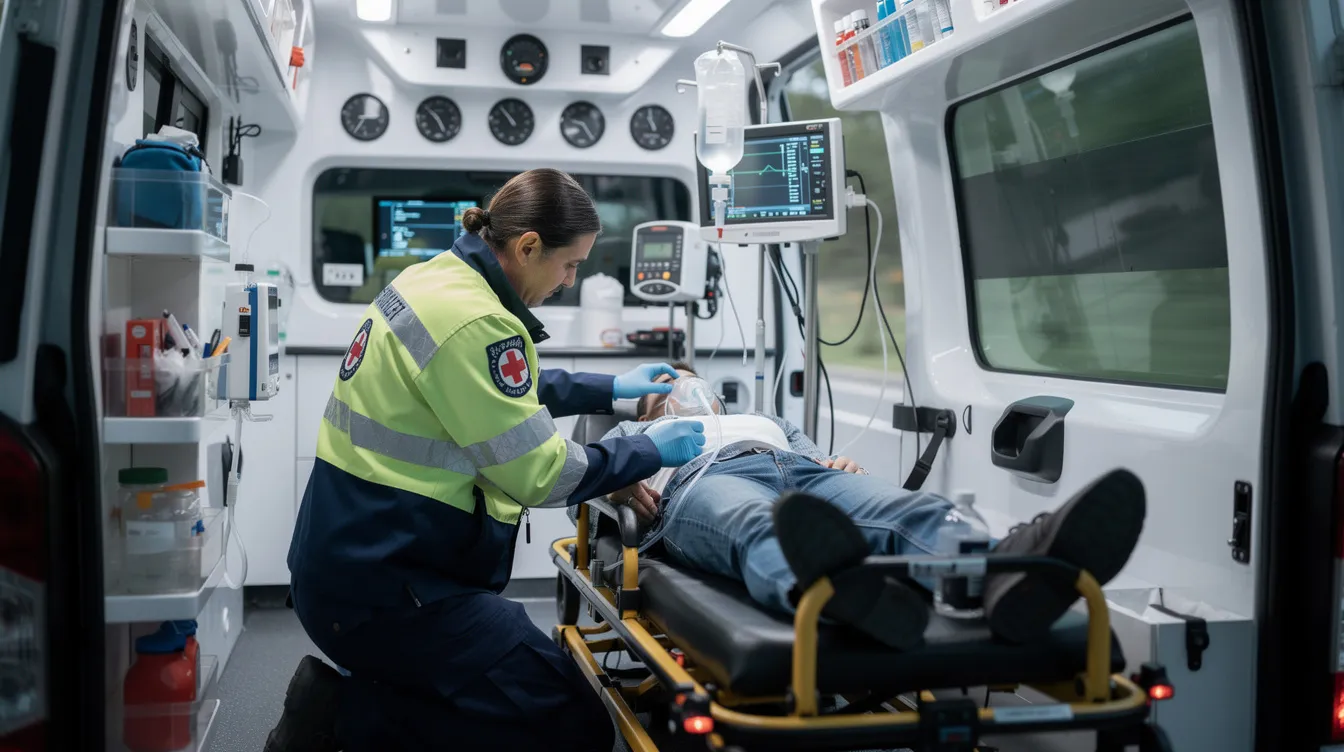
EMTs and paramedics in 911 systems stand out because of acute assessment, procedures, and independent decision-making under protocols. CNAs and patient care techs in hospital med-surg or ICU settings build skills in ADLs, vitals, and bedside care for complex patients. Medical assistants in primary care or urgent care gain exposure to rooming, procedures, and patient education; PA programs favor applicants with hands-on clinical experience in these settings. Phlebotomists with high patient volume develop communication, empathy, and critical thinking skills through frequent invasive procedures and patient interaction.
A clinical research coordinator who enrolls patients, takes histories, obtains vital signs, and performs study-related procedures can count those hours as PCE if the duties are hands-on and documented. Taking patient histories and vital signs are foundational skills for physician assistants, and admissions committees emphasize the importance of clinical decision-making in PCE. Experiences that require significant patient contact are more valued than roles where you document from across the room.
How Many Patient Care Hours Do PA Programs Require?
There is no universal minimum. Requirements differ by program and can change each application cycle. Not all PA schools require direct patient care experience, but the vast majority do.
Verified minimums from specific programs:
- James Madison University: 1,000 hours of direct patient care
- Tufts University: 1,000 hours required; 1,750 recommended
- Emory & Henry: 500 hours by matriculation
- OHSU: 2,000 hours of health care experience, accrued by the time you submit your application
No reliable, citable national average of PCE hours for all accepted PA students exists in a single published source. Build your hour target by examining a shortlist of your desired PA programs rather than relying on online anecdotes. You can review program profiles via PAEA and each school's website for PA school requirements.
Minimum vs Competitive: How to Think About Your Hours
Meeting a stated minimum keeps your application from being screened out. It does not guarantee admission.
To estimate what is competitive, review multiple program websites for class profiles where available. If a target program lists 500 hours as its minimum, aim well above that for selective schools. Plan for sustained experience over months or years rather than cramming PCE hours into a few weeks. Admissions decisions weigh GPA, prerequisites, letters, your personal statement, interviews, and healthcare experience together. No specific number of hours guarantees acceptance.
Quality Over Quantity: What Admissions Committees Look for in Care Experience
When I review PA school applications, I care more about the nature and depth of direct patient care than sheer hour count. Direct patient care experience is crucial for understanding patient responsibility, and that understanding shows in how applicants describe their work.
Key qualitative factors the admissions committee evaluates:
- Level of responsibility: performing skills, recognizing deterioration, escalating concerns
- Continuity: steady work over months or years, not a brief burst
- Variety and progression: moving from volunteer to CNA to ER tech, for example
- Reflection: evidence in your personal statement and CASPA descriptions that you understand the PA profession
CASPA experience descriptions should be specific. Write "collected 12-lead EKGs, assisted with splints, and triaged walk-in patients" rather than "helped patients." Strong narratives connect to PA competencies: teamwork with nurses, physicians, and existing PAs; communication with diverse patients; exposure to ethical dilemmas. High-quality PCE can partially offset lower total hours, while weak or purely observational experience will not be competitive even at large hour counts. Volunteer experience in clinical roles can strengthen your profile when duties involve hands-on care with active patient interaction.
How to Check Whether a Specific PA Program Accepts Your Experience
The only authoritative answer on whether a specific role counts as PCE or HCE comes from each individual PA program.
- Visit the program's official website. Look for "Admission Requirements," "Prerequisites," or "Patient Care Experience."
- Read definitions or lists of acceptable roles. Note whether they reference CASPA categories or their own definitions.
- Check for exact hour minimums, recommended experience types, or excluded roles (e.g., scribing, virtual shadowing).
- Cross-reference in PAEA's Program Directory or browse PA schools by state.
- If your role is not addressed, email the admissions office with your title, clinical setting, supervisor credentials, and a list of your duties.
Some PA programs in New York, New Jersey, Florida, and Texas provide detailed lists of acceptable experiences. You can also explore state-specific resources like our pages on patient care hours in NYC, New Jersey, Florida, and Texas. Save written confirmation from programs in case policies change before the cycle closes. Policies can shift year to year; Keck USC, for example, will require a minimum of 1,000 patient care experience hours starting with the 2027-2028 application cycle.
Practical Checklist: Before You Count an Hour, Ask Yourself…
Use these yes/no questions while filling out your CASPA application or planning new clinical roles:
- Am I physically interacting with patients (touching, positioning, performing procedures, assisting with ADLs) rather than only observing or charting?
- Do I have some level of responsibility for patient care tasks under supervision (triaging concerns, monitoring changes, calling the nurse)?
- Is this experience in a clinical setting (hospital, clinic, long-term care, EMS, home care agency) rather than purely administrative or remote?
- Can my supervisor verify both my hours and my specific clinical duties in a letter?
- Does this role fit CASPA's patient care experience categories, and is it recognized by at least some of my target programs?
If you answer "no" to most of these, the experience is likely HCE or shadowing experience rather than PCE. Track hours separately by role and category from day one.
Common Mistakes With Direct Patient Care and Healthcare Experience
As a mentor and former admissions committee member, I routinely see avoidable errors that undermine otherwise strong PA school applications.
- Misclassifying roles: Logging receptionist, unit clerk, or virtual scribe hours as PCE when duties involved no hands-on patient care.
- Overstating responsibilities: Describing duties you did not perform. Letters and interviews will expose inconsistencies.
- Ignoring program instructions: Submitting roles a program explicitly excludes (e.g., telemedicine-only shadowing, non-U.S. clinical work at programs that restrict it).
- Narrow experience without growth: Thousands of hours in one role with no progression, skill-building, or broader exposure to healthcare professionals in different settings.
- Starting too late: Many applicants wait until the year of application, leading to rushed experience and weak reflection in essays.
When in doubt, classify ambiguous experiences as HCE. Seek feedback on your descriptions from a pre-PA advisor or a service like MedTrack Mentors' PA admissions consulting. Honesty and clarity carry more weight than inflated titles.
FAQ: Direct Patient Care Experience and PA School Applications
These are common questions I hear from pre-PA students in advising sessions, including in Long Island, NYC, and virtual consults nationwide.
Does medical scribing count as direct patient care experience for PA school? Usually not. CASPA treats scribing as HCE, and many programs do not count it as PCE. Check individual program policies before assuming.
Do PA programs count hospital volunteering or shadowing as patient care hours? These are typically logged as shadowing or volunteer experience, not PCE. Some programs allow limited volunteer hours to meet broader healthcare experience requirements if duties are clinical.
Can clinical research count as patient care experience? Only when there is direct patient contact and clinical procedures, such as enrolling patients or obtaining histories. Bench research or data analysis is HCE or "other."
Do international healthcare experiences or medical mission trips count? Some PA programs restrict PCE to U.S. or Canadian settings. Mission trips are evaluated case by case; always confirm with the specific program.
If I have thousands of hours as an RN, paramedic, or respiratory therapist, do I still need more PCE? These backgrounds are strong, but you must still meet each program's published requirements and demonstrate PA-specific motivation and understanding of the PA profession in your application.
Can I work part-time while in school to build hours, or do I need a full-time gap year? Part-time work with real clinical duties accumulates PCE hours over time. Full-time gap years allow faster accumulation. Quality, formal training, consistency, and academic performance all matter. Many applicants successfully build hours part-time across multiple semesters.
How do I know how many hours I need? Research each of your target programs individually. As a general rule, if a program lists 1,000 hours as its minimum, plan to exceed that. Some health-related field roles accumulate hours faster than others.
Next Steps: Building a Strategic Patient Care Plan With MedTrack Mentors
Many students feel overwhelmed by conflicting information about PCE hours and roles. A structured plan prevents wasted time and money.
As founder of MedTrack Mentors, I work with pre-PA students to review current and planned direct patient care and healthcare experience, map target programs to specific hour and role expectations, and refine CASPA application strategy, including experience categorization, essays, and interview preparation.
MedTrack Mentors offers a free 20-minute PA school application audit where you can get feedback on whether your current patient care experience aligns with your chosen programs and clarify next steps to become a more competitive applicant over the next 6 to 24 months. Students earlier in their journey can explore our four-year PA school mentorship for long-term planning.
Verify each PA program's requirements directly, build a thoughtful mix of direct patient care experience and broader healthcare experience, and start early. The applicants who succeed are the ones who treat PCE not as a checkbox but as preparation for the job itself.
Free 20-Minute PA Application Audit
Not sure your patient care hours will count at your target programs? Book a free 20-minute audit with Dr. Mario Tomei, MD, MBA, MHA, CHSE.
Book your free audit